Trading Academy
 Forex Glossary
 Trading Guides
 News
News Blog
Blog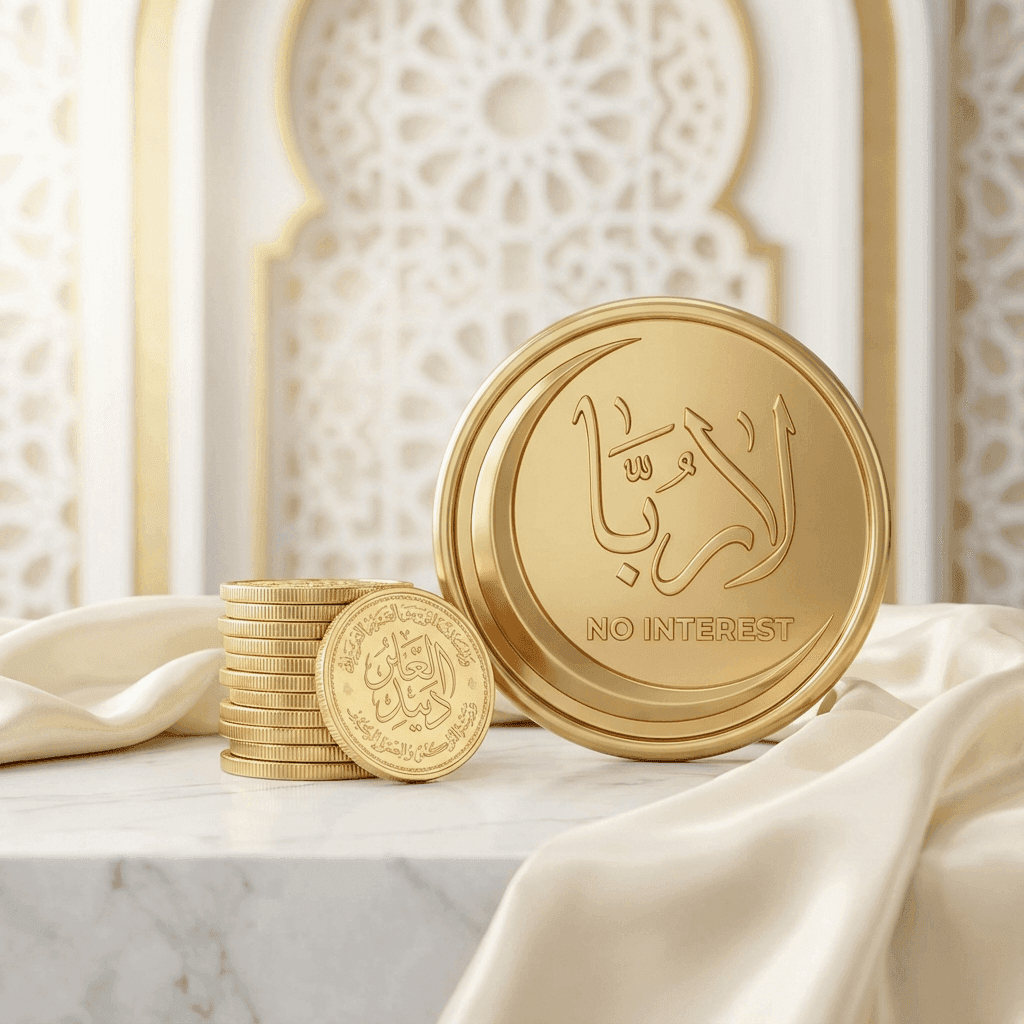




Key Takeaways
- Sharia Compliance: Islamic accounts are designed to align with Islamic Finance principles, specifically the prohibition of Riba (Interest).
- No Swap Fees: Standard accounts charge/pay overnight interest (Swap). Islamic accounts remove this fee entirely.
- Admin Fees: To compensate for lost revenue, brokers may widen spreads or charge a flat "Administration Fee" instead of interest.
- No Maysir (Gambling): Trading must be done with clear analysis and strategy. Excessive leverage or blind speculation is considered gambling.
- Instant Execution: Hand-to-hand exchange (Spot) is required. Trades must settle immediately.
Table of Contents
Is Forex Halal?
This is a debated topic, but most modern Islamic scholars agree that Forex trading is Halal (Permissible) under specific conditions:
- Spot Transaction: The trade must be "Qabd" (possession), meaning immediate exchange. Spot Forex meets this.
- No Riba: No interest must be paid or received.
- No Uncertainty (Gharar): The contract details must be clear.
The Problem of Riba (Interest)
In the global forex market, if you buy 1 lot of EUR/USD, you are essentially borrowing USD to buy EUR.
If you hold the position past 5:00 PM New York time, the broker rolls the position over. Since interest rates differ between the Eurozone and the US, you either pay or earn the difference. This is Swap, and it is 100% Interest, making it Haram.
How Swap-Free Accounts Work
Brokers created "Islamic Accounts" to solve this.
- Mechanism 1: Grace Period: The broker allows you to hold the trade for 7-14 days without any swap charges. After that, a daily administration fee applies.
- Mechanism 2: Spread Mark-up: The broker widens the spread slightly (e.g., from 1.0 pip to 1.3 pips) to cover their costs, ensuring no overnight fees are charged.
- Mechanism 3: Commission: A flat fee per lot instead of interest.
Best Islamic Brokers
Not all Islamic accounts are equal. Some hide massive fees. We recommend these transparent brokers:
- XM: Offers automatic swap-free status for clients in Muslim-majority countries.
- IC Markets: Offers "Raw Spread" Islamic accounts, maintaining tight spreads.
- Exness: Known for "Extended Swap-free" which applies even to Gold and Oil.
Hidden Costs to Watch
Warning: Some dishonest brokers advertise "Swap Free" but then charge a $10/lot/day "Storage Fee." This is just Riba renamed. Always check the contract specifications.
Frequently Asked Questions
Do I need to be Muslim to open one?
Technically no, but most brokers restrict these accounts to clients who can prove religious necessity or reside in Islamic countries. This prevents "Swap Arbitrage" strategies by secular traders.
Is Cryptocurrency Halal?
Generally yes, as it is a digital asset. However, "Staking" (earning interest) and "Futures/Options" (speculation with leverage) are often considered Haram.
Are indices like US30 Halal?
Controversial. Buying a basket of stocks is fine, but if the basket contains companies that profit from alcohol, pork, or interest (banks), it involves "Purification" of profits. Consult your local scholar.
Can I hedge in an Islamic account?
Hedging (holding a Buy and Sell at the same time) is debated because it essentially cancels out the transaction, turning it into a paper game. Many scholars discourage it.
For deeper comparison, review our best forex brokers, check individual broker reviews, use the Match Me to a Broker quiz, and calculate risk with the position size calculator.