Trading Academy
 Forex Glossary
 Trading Guides
 News
News Blog
Blog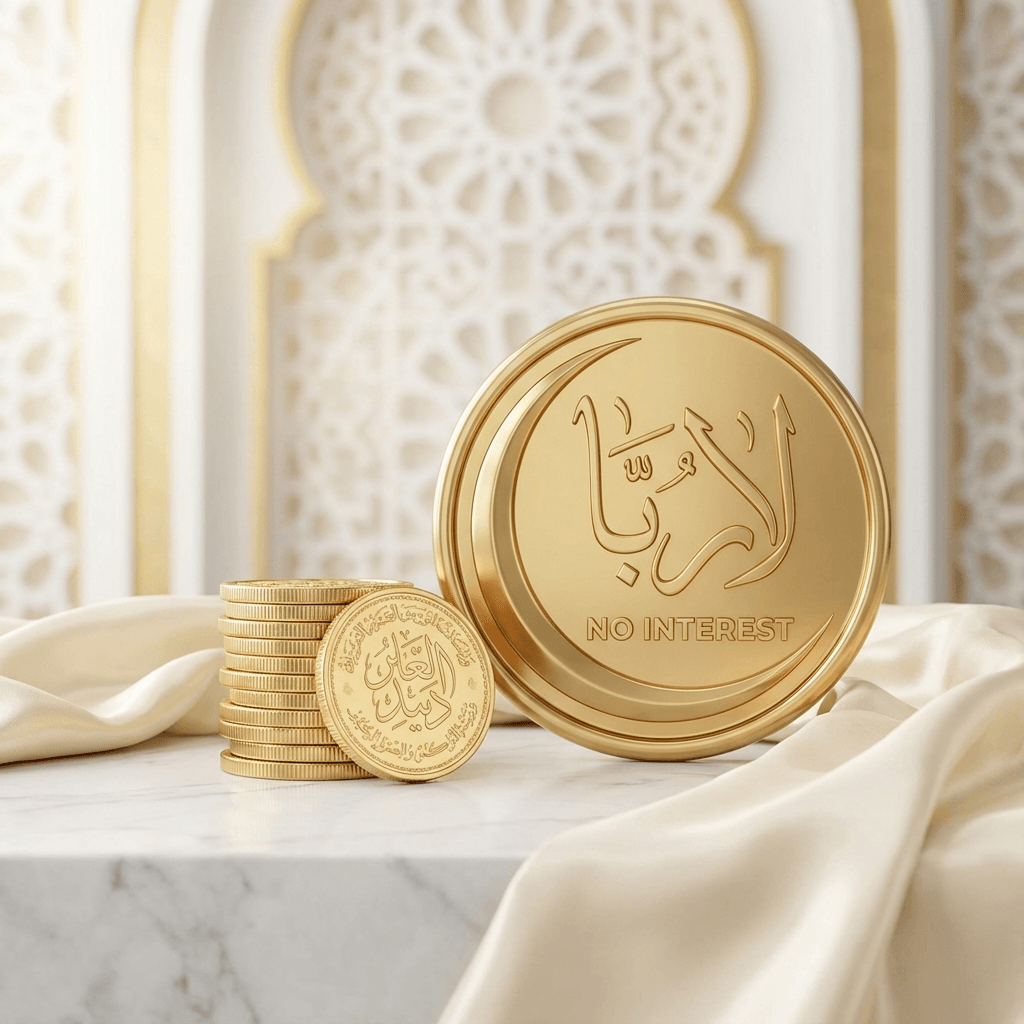




Key Takeaways
- Legal Status: Forex trading is 100% legal in the UAE. The industry is regulated by SCA (mainland), DFSA (Dubai), and ADGM (Abu Dhabi).
- Tax-Free: There is no income tax on forex trading profits for UAE residents—one of the biggest advantages globally.
- Islamic Accounts: Given the Muslim population, swap-free Islamic accounts are widely available and essential for halal trading.
- Top Brokers: Exness, Pepperstone, XM, and IC Markets are popular among UAE traders.
- Payment Methods: Bank transfers, credit/debit cards, and e-wallets (Skrill, Neteller) are commonly used.
Table of Contents
Is Forex Trading Legal in UAE & Dubai?
Yes, forex trading is fully legal in the United Arab Emirates. The UAE has established regulatory frameworks specifically for forex and CFD trading, making it one of the most welcoming jurisdictions for retail traders in the Middle East.
Unlike some countries with restrictive regulations, the UAE embraces forex trading as part of its financial services sector. Residents can legally trade with locally regulated brokers or international brokers—both are permitted.
Key Advantage: The UAE has no personal income tax. This means forex trading profits are tax-free for UAE residents, making it one of the most attractive locations for traders globally.
UAE Forex Regulators: DFSA, SCA, ADGM
The UAE has multiple regulatory bodies depending on the emirate and free zone:
| Regulator | Jurisdiction | Oversight Level |
|---|---|---|
| SCA (Securities & Commodities Authority) | UAE Mainland | Primary federal regulator |
| DFSA (Dubai Financial Services Authority) | Dubai International Financial Centre (DIFC) | Tier-2, internationally recognized |
| FSRA/ADGM (Abu Dhabi Global Market) | Abu Dhabi | Newer but growing in reputation |
DFSA-regulated brokers offer strong protections similar to European standards. Many international brokers serving UAE clients are regulated by CySEC, FCA, or ASIC rather than local UAE authorities—this is acceptable under UAE law.
See our DFSA-Regulated Brokers page for locally licensed options.
Best Forex Brokers for UAE Residents
Based on popularity, regulation quality, and support for UAE residents:
| Broker | Regulation | Islamic Account | Min Deposit | Arabic Support |
|---|---|---|---|---|
| Exness | CySEC, FCA, FSCA | Yes | $10 | Yes |
| Pepperstone | FCA, ASIC, DFSA | Yes | $200 | Yes |
| XM | CySEC, ASIC, DFSA | Yes | $5 | Yes |
| IC Markets | ASIC, CySEC, FSA | Yes | $200 | Limited |
| HFM | CySEC, DFSA, FSCA | Yes | $0 | Yes |
For a complete list, visit our Best Forex Brokers UAE page.
Islamic (Swap-Free) Accounts for UAE Traders
Given the UAE's Muslim population, Islamic forex accounts are essential for many traders. These accounts eliminate swap (overnight interest) charges, which are considered riba (usury) under Sharia law.
- No Swap Charges: You won't pay or receive overnight interest on positions held past rollover.
- Admin Fees: Some brokers charge an administration fee instead of swap after 1-7 days.
- Same Trading Conditions: Spreads, leverage, and execution remain the same as standard accounts.
Note: Islamic account availability may require verification (e.g., proof of religion) at some brokers. Others offer swap-free accounts to all clients automatically. Check with your broker.
See our Best Islamic Account Brokers guide for detailed comparisons.
Taxation on Forex Trading in UAE
The UAE is famous for being a tax-free jurisdiction for individuals. This extends to forex trading:
- No Personal Income Tax: Your forex profits are not taxed in the UAE.
- No Capital Gains Tax: There is no tax on investment gains for individuals.
- Corporate Tax: If you trade through a company, the new 9% corporate tax (from June 2023) may apply on profits over AED 375,000.
This makes the UAE one of the most attractive places in the world for active traders. However, if you are a tax resident of another country (and only residing in UAE temporarily), you may still owe taxes in your home country.
Deposit & Withdrawal Methods
UAE residents have access to multiple convenient payment methods:
- Bank Wire: Local banks (Emirates NBD, ADCB, ENBD) support international wire transfers to forex brokers.
- Credit/Debit Cards: Visa and Mastercard work with most brokers. Some local cards may block forex-related transactions.
- E-Wallets: Skrill and Neteller are popular for faster processing and lower fees.
- Crypto: Some brokers accept USDT for deposits, useful for those with crypto holdings.
Banking Tip: Some UAE banks are conservative about forex-related transactions. If your card is declined, try a different bank or use e-wallets. Emirates Islamic and ADIB are generally forex-friendly.
Frequently Asked Questions
Is forex trading legal in UAE?
Yes, forex trading is fully legal in the UAE. The market is regulated by SCA (federal), DFSA (Dubai), and ADGM (Abu Dhabi). UAE residents can trade with local or international brokers without legal issues.
Is forex trading tax-free in Dubai?
Yes. There is no personal income tax or capital gains tax on forex trading profits for UAE residents. This makes Dubai one of the most attractive locations for traders worldwide.
What is the best forex broker in UAE?
Popular choices include Exness, Pepperstone, and XM. All offer Islamic accounts, Arabic support, and are well-regulated. See our UAE brokers page.
Is forex trading halal in UAE?
Forex trading can be halal if you use an Islamic swap-free account that eliminates interest (riba). Most major brokers offer Islamic accounts specifically for Muslim traders in the UAE.
What is the DFSA?
The Dubai Financial Services Authority regulates financial firms operating in the Dubai International Financial Centre (DIFC). DFSA regulation is considered Tier-2 internationally and offers good investor protection. See DFSA brokers.
Can expats trade forex in UAE?
Yes. Expatriates living in the UAE can trade forex with the same rights as citizens. You'll enjoy tax-free trading while resident. Check tax obligations with your home country if applicable.
What leverage is available in UAE?
International brokers offer leverage up to 1:500 or higher for UAE residents. DFSA-regulated brokers may have lower limits. Choose based on your risk tolerance. See our High Leverage Brokers guide.
Do UAE banks allow forex trading deposits?
Most do, but some conservative or Islamic banks may block transactions to forex brokers. If you encounter issues, try a different bank or use e-wallets like Skrill or Neteller as an intermediary.
What is the minimum deposit for forex in UAE?
Brokers like XM and HFM allow $0-$5 minimum deposits. Most reputable brokers require $100-$200. Higher deposits often unlock better account types with tighter spreads.
Can I trade forex on my phone in UAE?
Yes. All major brokers offer iOS and Android apps. MetaTrader 4, MetaTrader 5, and broker proprietary apps work perfectly on smartphones in the UAE.
Is Gold (XAU/USD) trading popular in UAE?
Yes, very. Given Dubai's status as a gold trading hub, XAU/USD is extremely popular among UAE traders. Most forex brokers offer competitive spreads on gold CFDs.
How do I choose between DFSA and offshore brokers?
DFSA offers local regulation and dispute resolution. Offshore brokers (FCA, ASIC, CySEC) may offer more products and higher leverage. Both are legal for UAE residents—choose based on your priorities: protection vs. flexibility.